

A high performance vehicle tag is not an official registration category in the United States. No state DMV issues a license plate or title designation based on horsepower, engine displacement, or top speed. What actually determines your registration, fees, and legal classification is body type, weight, and vehicle value. Understanding this distinction saves you money, prevents costly DMV corrections, and keeps you fully compliant as a performance vehicle owner.
What is a high performance vehicle tag and how does registration actually work?
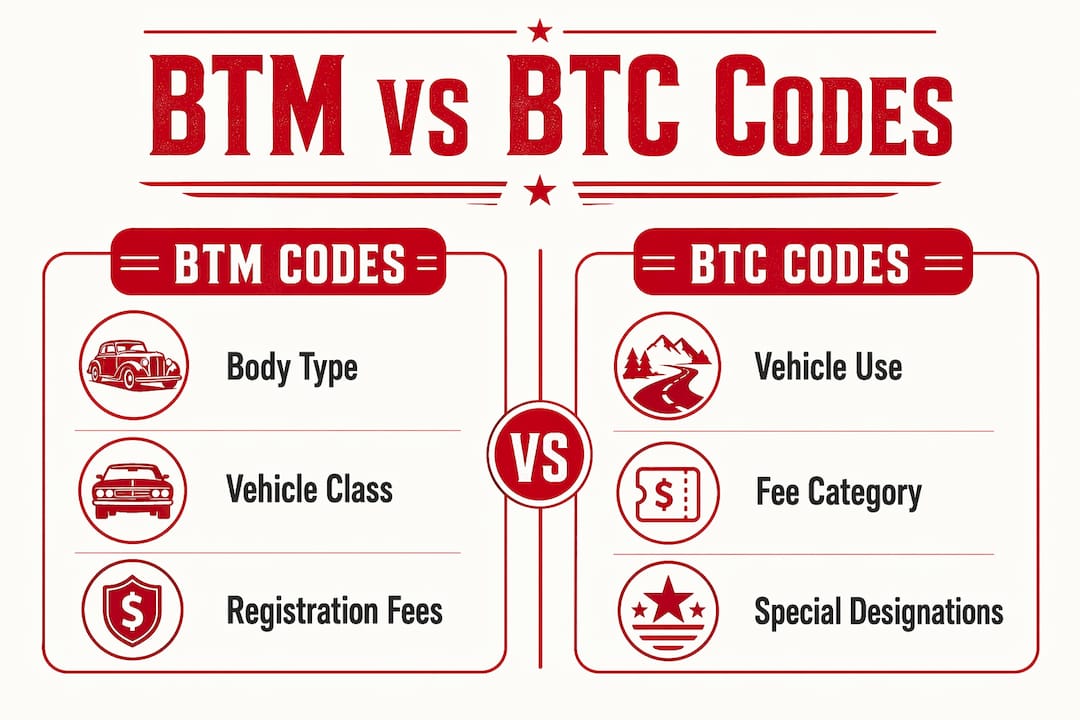
The phrase “high performance vehicle tag” describes an informal concept, not a legal one. No official classification exists in U.S. registration systems that group vehicles by engine output or driving capability. State DMVs classify vehicles using alphanumeric Body Type Model codes, known as BTM codes, along with Body Type Codes, or BTC codes. These codes determine your fee bracket, not your car’s quarter-mile time.
The features of high performance vehicles, such as turbocharged engines, sport-tuned suspensions, and track-ready brakes, are irrelevant to how a DMV categorizes your car. What matters to the DMV is the vehicle’s physical structure and weight. A 700-horsepower muscle car registered as a two-door coupe pays the same base registration fee as a base-model coupe with a four-cylinder engine.

How BTM and BTC codes affect your registration
BTM and BTC codes cover a wide range of vehicle types, including Sedan, Coupe, Convertible, Utility, and specialized categories like Amphibian or Firetruck. California’s DMV system is one of the most detailed examples of this structure in the country. These codes appear permanently in DMV records from the moment of initial registration.
Registration classifications affect insurance rates, tax amounts, safety requirements, and eligibility for special exemptions. Getting the code wrong at registration creates a chain of problems that follows the vehicle through every future renewal. Corrections after the fact are possible but often require documentation, fees, and significant time.
Here is a quick breakdown of what classification factors actually control your registration:
- Body type code (BTM/BTC): Determines fee class and legal vehicle category
- Gross Vehicle Weight Rating (GVWR): Affects registration fees, especially for trucks and SUVs
- Fuel type: Electric, hybrid, and alternative-fuel vehicles often fall into separate fee structures
- Axle count: Heavier commercial-style vehicles pay higher fees based on axle configuration
- Vehicle value: Drives ad valorem property tax calculations in many states
Pro Tip: Verify your BTM and BTC codes on your current registration document before your next renewal. A mismatch between the code and your actual vehicle type is easier and cheaper to fix proactively than after a title correction is triggered.
Why no state issues an official “high performance” registration tag
No state grants a registration status called “high performance” based on engine specs or speed capability. The distinction between informal terms like “sport” or “performance” and actual DMV categories is significant. Manufacturers use those words in marketing. DMVs do not.
Many enthusiasts conflate vehicle appearance or engine modifications with official registration classifications. This leads to real frustration when DMV paperwork reflects a plain “coupe” or “utility” designation rather than anything that acknowledges the vehicle’s actual capability. The DMV is not in the business of recognizing horsepower.
Some owners pursue specialty registration categories, such as Custom Vehicle or Street Rod, hoping these designations reflect their car’s performance character. They do not. Custom and Street Rod classifications may exempt vehicles from emissions testing, but they impose usage limits and reduce resale opportunities. These categories are also not universally recognized across state lines, which creates complications if you move or sell.
The practical risks of specialty classifications include:
- Annual mileage caps that restrict how often you can legally drive the vehicle
- Unique insurance requirements that limit carrier options and raise premiums
- Reduced resale value because buyers in other states face retitling complications
- Emissions exemptions that disappear if the vehicle is modified further
Registration fees correlate with vehicle GVWR and assessed value, not engine performance. A heavy performance SUV with a large GVWR can pay higher registration fees than a lighter performance coupe, even if the coupe produces significantly more horsepower. Weight and value drive the math, not the dyno sheet.
How state taxes and fees hit high-value performance vehicle owners
Ad valorem property taxes are the biggest financial surprise for performance vehicle owners who focus only on the purchase price. Ad valorem means “according to value,” and these taxes apply a local rate to the assessed market value of your vehicle each year. The more your car is worth, the more you pay at renewal time.
North Carolina’s Tag and Tax Together system is one of the clearest examples of how this works in practice. Counties calculate taxes by applying local rates to NADA Clean Trade-in values, and for high-value performance vehicles, these taxes can represent a substantial portion of total annual renewal costs. A $90,000 sports car in a county with a high local rate generates a tax bill that surprises many first-time performance car buyers.
The total cost of ownership for a performance vehicle includes:
- Purchase price and financing costs
- Annual registration base fee (tied to body type and GVWR)
- Ad valorem property tax (tied to assessed vehicle value)
- Emissions and inspection fees (varies by state and vehicle classification)
- Insurance premiums (affected by vehicle classification and modification status)
Many owners budget for insurance and fuel but underestimate the annual tax renewal hit. A vehicle that depreciates slowly, such as a limited-production sports car or a well-maintained classic, can carry a high tax burden for years. Checking your state’s specific fee structure before purchasing a high-value vehicle is a practical step that most buyers skip.
Statistic callout: In states like North Carolina, ad valorem taxes can represent the majority of total annual renewal costs for high-value vehicles, with counties applying local rates directly to NADA Clean Trade-in values.
Practical steps for performance vehicle owners to stay compliant
Correct registration starts at the point of purchase. Dealers and private sellers sometimes assign incorrect BTM or BTC codes, either by mistake or because the vehicle has been modified since its original title was issued. Classification codes are permanent once assigned and require formal correction if wrong, so catching errors early matters.
Modifications change more than your car’s performance. Significant changes to body structure, engine type, or vehicle weight can trigger reclassification requirements at your DMV. Adding a lift kit to a truck, converting a vehicle to electric power, or rebuilding a car from a donor chassis can all affect which registration category applies. Consulting your state DMV before completing major modifications prevents surprises at renewal.
For owners interested in performance upgrades in California, understanding how modifications interact with registration and emissions rules is especially important. California’s classification system is detailed, and non-compliant modifications can result in failed inspections and registration holds.
Steps to protect your registration status:
- Review your current registration document and confirm the body type code matches your vehicle’s actual configuration
- Contact your DMV before modifying the vehicle’s structure, weight class, or powertrain
- Keep records of all modifications with receipts and installer documentation in case of a classification dispute
- Check your state’s specialty vehicle rules if you are considering a Custom or Street Rod designation
- Understand your state’s inspection requirements and whether your vehicle qualifies for any exemptions
Registration status provides no legal protection on the road. No registration or specialty plate offers immunity from traffic laws. Florida’s Super Speeder law, for example, adds criminal penalties for speeds above certain thresholds regardless of where the vehicle is registered or what plate it carries. Montana registrations do not shield Florida drivers from Florida enforcement. Your car’s classification on paper does not change the speed limit on the street.
Pro Tip: If you plan to add aftermarket parts that change your vehicle’s weight or structure, ask your DMV whether those changes require a reclassification before the work is done. Fixing a classification error after the fact costs more in time and fees than preventing it.
Key Takeaways
A high performance vehicle tag does not exist as a legal classification in the U.S.; registration is determined by body type codes, GVWR, and vehicle value, not engine output or speed capability.
| Point | Details |
|---|---|
| No official performance tag | U.S. DMVs classify vehicles by body type, weight, and fuel type, not horsepower. |
| BTM and BTC codes are permanent | Errors in classification codes are costly to fix and affect fees throughout ownership. |
| Ad valorem taxes hit hard | High-value performance vehicles carry annual property tax bills tied to assessed market value. |
| Modifications trigger reclassification | Structural or powertrain changes can require a new DMV classification before renewal. |
| Registration does not override traffic law | No plate or specialty tag provides legal protection from speed enforcement or traffic penalties. |
What I’ve learned from watching enthusiasts fight the DMV
The most common mistake I see performance vehicle owners make is assuming the DMV cares about what their car can do. It does not. The DMV cares about what your car is, physically and legally, on the day it was first registered. That code follows the vehicle forever unless you take deliberate steps to correct it.
The second mistake is treating specialty classifications as a shortcut. Custom and Street Rod designations sound appealing because they carry a certain identity. But the mileage caps and insurance complications that come with those categories frustrate owners within the first year. The enthusiasts who navigate registration most successfully are the ones who treat it as a separate discipline from performance building.
My honest advice for new performance vehicle owners: budget for your annual tax renewal before you buy, not after. Pull the NADA Clean Trade-in value for the vehicle you are considering and apply your county’s local tax rate to it. That number is your annual tax obligation, and it does not shrink as fast as you expect. A car that holds its value is a joy to own and a recurring tax bill to manage.
Staying informed about your state’s rules is not optional. It is the difference between enjoying your vehicle and spending weekends at the DMV. Resources like your state’s DMV website and guides on performance parts for enthusiasts can help you make smarter decisions about upgrades that keep your vehicle compliant and capable at the same time.
— Ozkonic Kustomz
Ozkonickustomz has the parts your performance build actually needs
Performance vehicle ownership is about more than registration paperwork. Once your classification is correct and your compliance is solid, the real work of building a capable vehicle begins.
Ozkonickustomz sources aftermarket performance parts directly from vetted manufacturers, which means every component meets strict standards for quality and fitment before it ships to you. Truck owners, performance builders, and off-road enthusiasts get access to hard-to-find parts with guaranteed compatibility, fast shipping, and expert support. Whether you are upgrading suspension, wiring, or drivetrain components, Ozkonickustomz carries the parts that match your vehicle’s actual specs. Browse the full catalog and get the expert assistance that makes your next build go right the first time.
FAQ
What is a high performance vehicle tag in the U.S.?
A high performance vehicle tag is not an official registration category. U.S. DMVs classify vehicles by body type codes, GVWR, and fuel type, not by engine output or speed capability.
Do any states offer a special registration for performance cars?
No state offers a registration designation based on horsepower or performance specs. Specialty categories like Custom Vehicle or Street Rod exist, but they are based on vehicle construction, not performance capability.
How do BTM and BTC codes affect my registration fees?
BTM and BTC codes determine your vehicle’s fee class and legal category at registration. Errors in these codes cause registration delays and require formal corrections that can be time-consuming and costly.
Can modifications to my performance car change its registration status?
Yes. Significant modifications to body structure, weight, or powertrain can trigger a reclassification requirement. Contact your state DMV before completing major modifications to understand the registration impact.
Does a specialty registration plate protect me from traffic laws?
No registration or specialty plate provides legal immunity from traffic enforcement. Speed laws and penalties apply based on where you are driving, not how your vehicle is registered or what plate it carries.
Recommended
- Hybrid Performance Tuning: What Car Enthusiasts Need to Know – Ozkonic Kustomz LLC
- High Mileage Vehicle Performance Upgrades in CA – Ozkonic Kustomz LLC
- Your Starter Guide to Performance Parts: Boosting Horsepower & Handlin – Ozkonic Kustomz LLC
- Performance Parts Online Shopping Guide for Enthusiasts – Ozkonic Kustomz LLC