

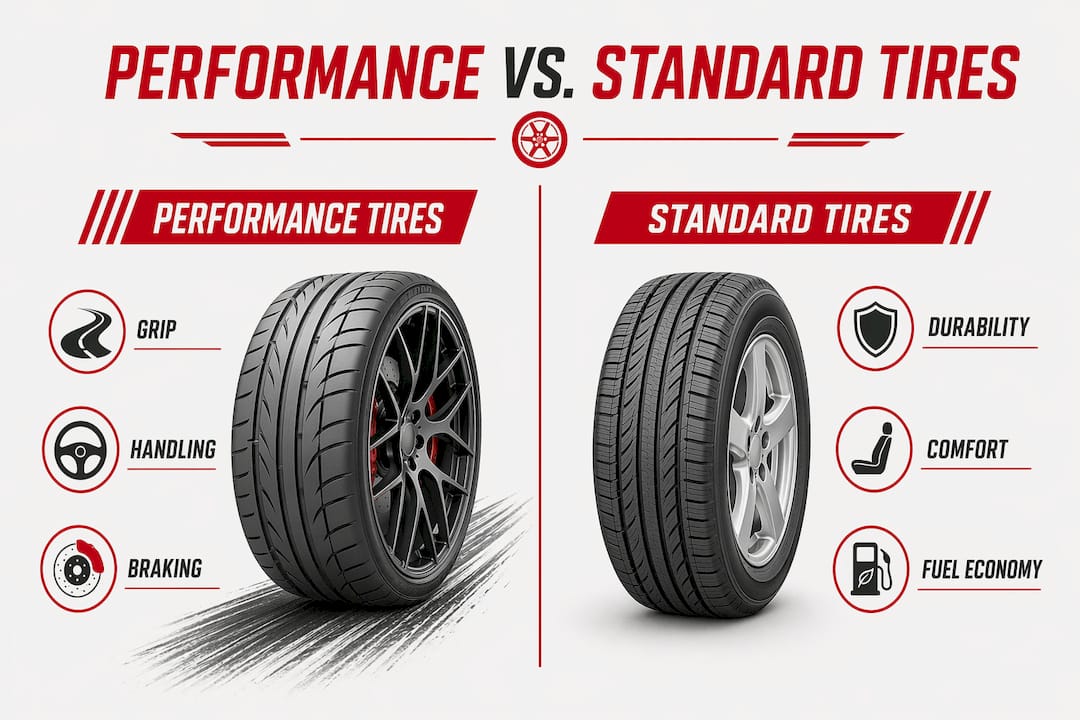
Performance tires are specialized tires engineered to maximize grip, handling precision, and braking capability beyond what standard tires deliver. The role of performance tires goes far beyond aesthetics. These tires use softer rubber compounds, stiffer sidewalls, and optimized tread patterns to keep your car planted through corners and responsive under hard braking. Ultra-High-Performance (UHP) tires represent the top tier of this category, and they account for about 15% of market tires while achieving the highest “AA” traction grade. The trade-offs are real: higher cost, shorter tread life, and temperature limitations. Knowing those trade-offs upfront is what separates smart tire buyers from disappointed ones.
What is the role of performance tires in vehicle handling?
Performance tires exist to close the gap between what your car is capable of and what your tires allow it to do. A powerful engine means nothing if the tires can’t transfer that power to the road. The contact patch, the small footprint where rubber meets asphalt, determines everything from cornering grip to stopping distance.
Tire technology innovation now drives modern vehicle performance more than raw engine output. Compound chemistry, thermal load management, and tread geometry have advanced to the point where a tire upgrade delivers more measurable improvement than many engine modifications. That shift in priority is why serious drivers treat tire selection as a performance decision, not just a maintenance task.
The industry term for the top category is Ultra-High-Performance, or UHP. Below that sits the standard high-performance tier, and then performance all-season tires for drivers who need year-round capability. Each tier balances grip against durability and weather versatility differently. Understanding which tier fits your driving style is the first step toward getting the most from your vehicle.
Key performance tire features that improve handling and safety
The design differences between a performance tire and a standard touring tire are not subtle. Every element, from the rubber blend to the internal structure, is tuned for a specific outcome.
Rubber compound. Performance tires use a softer, stickier compound that conforms to road surface irregularities at the microscopic level. That conformity generates more friction, which translates directly to grip. The trade-off is faster wear, but the handling gain is significant.
Tread pattern. Performance tires use wider grooves and larger tread blocks than touring tires. Wide grooves channel water away from the contact patch quickly, reducing hydroplaning risk. Large tread blocks resist flexing under lateral load, which keeps cornering grip consistent.
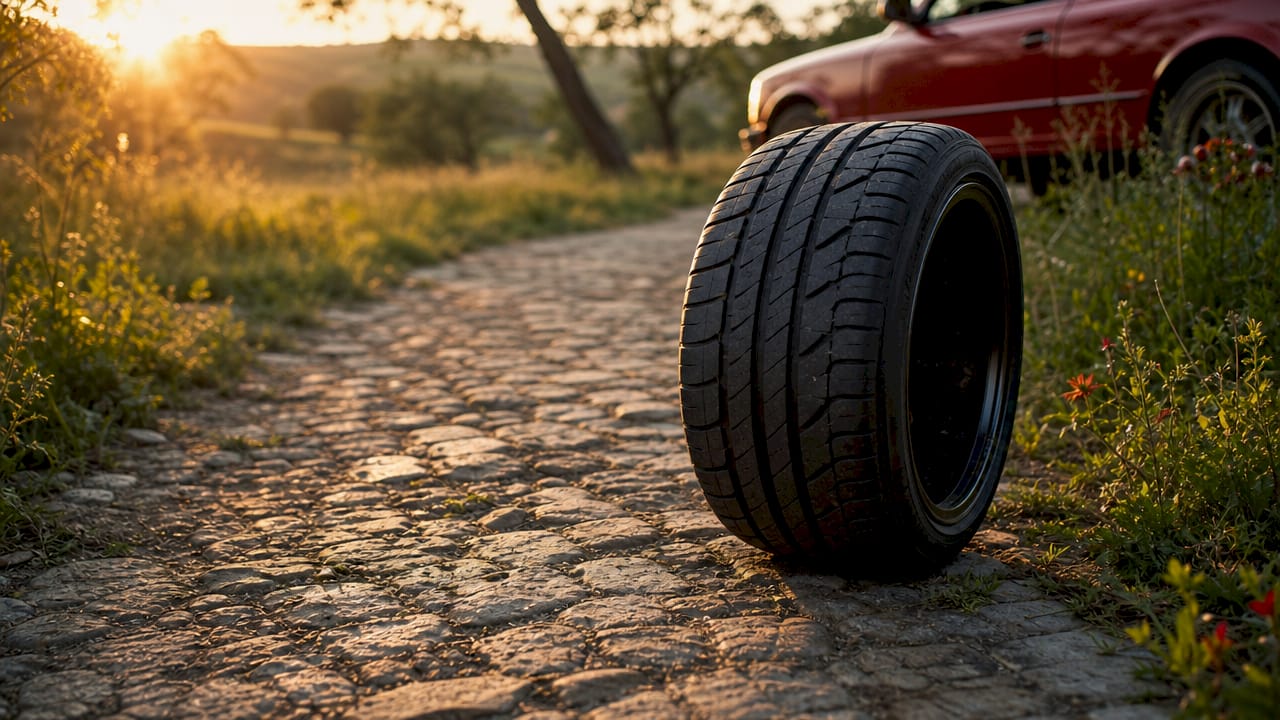
Sidewall construction. Stiffer sidewalls reduce the flex that occurs when you turn sharply. Less flex means the tire holds its shape under load, so the contact patch stays flat and the steering response feels direct. Touring tires have softer sidewalls that prioritize ride comfort over precision.
Speed ratings and traction grades. Performance tires carry speed ratings of H (130 mph), V (149 mph), W (168 mph), or Y (186 mph). The traction grade, rated AA, A, B, or C, measures wet stopping ability. UHP tires at the AA grade stop shorter on wet pavement than any other category.
Temperature sensitivity. The same soft compound that generates grip also reacts strongly to temperature. Performance tires reach their optimal operating range only after a few minutes of driving. Cold rubber is harder rubber, and harder rubber grips less.
Pro Tip: Let your performance tires warm up for two to three minutes before pushing hard. Cold compound on a cold morning grips noticeably less than a tire at operating temperature.
You can learn more about how tread design affects grip and driving dynamics in a dedicated breakdown of tread pattern performance.
How do performance tires improve handling compared to standard tires?
The numbers tell a clear story. Performance tires can improve cornering speeds by 20–30% compared to standard tires. That improvement comes from the compound and sidewall stiffness working together to keep the tire planted through a turn at speeds where a touring tire would begin to push wide.
Braking distance is where the safety argument becomes undeniable. Performance tires deliver shorter braking distances and better wet traction than standard tires, which directly increases your safety margin in emergency stops. A driver on performance tires who brakes hard at 60 mph stops measurably shorter than the same driver on touring tires. That distance can be the difference between a close call and a collision.
The table below shows how performance tires compare to touring tires across the key driving dynamics that matter most to enthusiasts.
| Driving Dynamic | Performance Tires | Touring Tires |
|---|---|---|
| Cornering grip | High, 20–30% faster speeds | Moderate, prioritizes comfort |
| Wet braking distance | Shorter, AA traction grade | Longer, lower traction grade |
| Steering response | Direct, minimal sidewall flex | Softer, more compliant feel |
| Tread life | 40,000–60,000 miles (all-season) | 60,000–80,000 miles |
| Ride comfort | Firmer, road noise present | Quieter, more cushioned |
Touring tires last 60,000–80,000 miles on average. Performance all-season tires land in the 40,000–60,000 mile range. The gap reflects the compound trade-off: softer rubber grips better but wears faster. Drivers who spend time on track days or mountain roads feel that grip advantage on every corner exit. Drivers who commute 40 miles each way on the highway feel it mostly in their wallet.
Driver confidence is a real, measurable benefit that rarely gets discussed. When you know your tires will respond predictably at the limit, you drive with more control and less hesitation. That predictability reduces overcorrection, which is a leading cause of single-vehicle accidents.
What are the trade-offs and maintenance needs of performance tires?
Performance tires cost roughly twice as much as standard tires. That price gap reflects the compound technology and construction quality, but it also means replacement cycles hit harder on your budget.
Wear rate is the biggest ongoing cost. Performance tires wear 200–300% faster than touring tires. A touring tire that lasts five years on a daily driver might last two years or less under the same conditions on a performance compound. Drivers who use performance tires year-round on a daily commute should budget for more frequent replacements.
Fuel economy takes a small hit from the increased rolling resistance of a softer compound. The effect is real but modest for most drivers. The bigger concern for many is the temperature limitation.
- Check tire pressure weekly. Under-inflating a performance tire by just 5 PSI degrades steering precision and increases heat buildup. Both effects shorten tire life and reduce safety.
- Avoid aggressive launches. “Jackrabbit” starts, where you floor the throttle from a standstill, reduce tire lifespan by up to 25%. The heat spike from wheelspin burns through the compound faster than normal driving.
- Switch to winter tires below 45°F. Summer performance tires lose grip below 45°F as the rubber compound stiffens. Running them in winter is not just inefficient. It is genuinely unsafe.
- Rotate on schedule. Performance tires wear unevenly if left in place. Front tires on a front-wheel-drive car wear faster at the shoulders. Rotating every 5,000–6,000 miles evens out the wear pattern.
- Store properly in the off-season. If you run a dedicated summer set, store them in a cool, dark location away from ozone sources like electric motors. Ozone degrades rubber compounds faster than most drivers realize.
Pro Tip: If you live in a region with cold winters, a dedicated set of winter tires on a second set of wheels is the most cost-effective way to protect your performance tires and stay safe year-round.
How do you choose the right performance tires for your vehicle?
Choosing the right performance tire starts with matching the tire category to your actual driving habits, not your aspirational ones. Most drivers who think they need full UHP tires would be better served by a performance all-season tire.
Performance tier categories
Summer performance tires deliver the highest dry and wet grip but require seasonal swaps in cold climates. They suit sports cars, track day drivers, and enthusiasts in warm regions. Ultra-High-Performance all-season tires balance year-round usability with strong grip. They suit performance sedans and crossovers driven in variable climates. Touring performance tires prioritize comfort and longevity while still outgripping standard tires. They suit drivers who want a step up from base tires without the maintenance demands of a full performance compound.
Matching tires to your vehicle and climate
Speed rating must meet or exceed your vehicle manufacturer’s recommendation. Installing a tire with a lower speed rating than specified is unsafe and may void your warranty. Climate is the second filter. If temperatures drop below 45°F for more than a few months each year, a summer-only performance tire forces a seasonal swap or compromises your winter safety.
Vehicle type matters too. A front-wheel-drive hot hatch benefits most from a stiff sidewall that reduces understeer. A rear-wheel-drive sports car benefits from a wide contact patch that keeps power delivery smooth on corner exit. Drivers upgrading high-mileage vehicles should also consider performance upgrades that complement new tires, since worn suspension components reduce the benefit of even the best rubber.
The comparison below helps clarify which tire category fits which driver profile.
| Driver Profile | Recommended Tier | Key Reason |
|---|---|---|
| Track day and sports car driver | Summer UHP | Maximum dry and wet grip |
| Performance sedan, mixed climate | UHP all-season | Year-round grip with less seasonal hassle |
| Daily driver wanting an upgrade | Touring performance | Better grip than standard, longer tread life |
| Cold climate enthusiast | Summer UHP + winter set | Best of both worlds across seasons |
My honest take on performance tires after years in the enthusiast space
The biggest mistake I see drivers make is buying the most aggressive performance tire available and then driving it like a touring tire. You get the worst of both worlds: fast wear, no grip benefit, and a wallet that empties faster than it should.
Performance tires reward drivers who actually use them. If you take corners with intent, brake late, and feel the difference between 0.8g and 1.0g of lateral grip, the investment pays off every single drive. If you spend 95% of your time in stop-and-go traffic, a performance all-season tire gives you the safety benefits without the replacement cost of a pure summer compound.
The trade-off conversation also gets oversimplified. Yes, performance tires wear faster. But the safety margin they provide in emergency braking and wet cornering is not a luxury. It is a functional advantage that standard tires cannot replicate. I would rather replace tires more often and know my car stops where I point it.
One thing most articles skip: tire pressure discipline matters more with performance tires than with any other category. A 5 PSI drop on a touring tire is annoying. On a UHP tire, it changes the handling character noticeably. Check pressure cold, every week, no exceptions.
— Ozkonic Kustomz
Performance parts that complement your tire upgrade
When you upgrade your tires, the rest of your vehicle’s setup deserves the same attention. A performance tire on a car with worn lighting, loose exterior components, or outdated hardware leaves performance on the table.
Ozkonickustomz carries a curated selection of exterior and lighting components sourced directly from vetted manufacturers, so fitment is guaranteed and counterfeit parts are never a concern. The American Autowire headlight switch with aluminum knob is a clean, functional upgrade for performance builds that spend time on the road after dark. For drivers who want to finish the exterior as sharply as the tires underneath, the universal tilt hood kit from Ozkonickustomz adds both function and visual presence to any custom build. Fast shipping and expert support make the process straightforward from order to install.
Key Takeaways
Performance tires improve cornering speed by 20–30%, shorten braking distances, and increase safety margins, but they wear 200–300% faster than touring tires and lose grip below 45°F.
| Point | Details |
|---|---|
| Grip and handling gain | Performance tires improve cornering speeds by 20–30% over standard tires. |
| Safety margin | Shorter braking distances and better wet traction reduce risk in emergency maneuvers. |
| Wear and cost trade-off | Performance tires wear 200–300% faster than touring tires, raising replacement frequency. |
| Temperature limitation | Summer performance tires lose grip below 45°F and require a seasonal winter tire swap. |
| Maintenance discipline | Maintaining correct tire pressure within 5 PSI protects steering precision and tire life. |
FAQ
What are performance tires used for?
Performance tires are used to maximize grip, cornering speed, and braking capability on sports cars, performance sedans, and any vehicle driven with spirited intent. They outperform standard tires in both dry and wet conditions at the cost of faster wear and higher replacement cost.
How do performance tires improve handling?
Performance tires use stiffer sidewalls, softer rubber compounds, and optimized tread patterns to keep the contact patch flat under load, which delivers more direct steering response and higher cornering speeds. The result is a car that responds immediately to driver input rather than feeling vague or delayed.
Are high-performance tires safe in winter?
Summer performance tires are not safe below 45°F because the rubber compound stiffens and grip drops significantly. Drivers in cold climates should run a dedicated set of winter tires from late fall through early spring to maintain safe stopping distances.
How long do performance tires last?
High-performance all-season tires typically last 40,000–60,000 miles, compared to 60,000–80,000 miles for touring tires. Pure summer performance compounds wear faster still, especially under aggressive driving habits like hard launches and track use.
Do performance tires affect fuel economy?
Performance tires increase rolling resistance slightly compared to standard tires, which reduces fuel economy by a small margin. The effect is real but modest for most drivers and is generally considered an acceptable trade-off for the grip and safety benefits gained.
Recommended
- Tread Pattern Performance: What Drivers Need to Know – Ozkonic Kustomz LLC
- High Mileage Vehicle Performance Upgrades in CA – Ozkonic Kustomz LLC
- OEM vs Aftermarket Parts: Performance, Warranty & Value | Ozkonic Kustomz – Ozkonic Kustomz LLC
- Your Starter Guide to Performance Parts: Boosting Horsepower & Handlin – Ozkonic Kustomz LLC