
For vintage Chevy, GMC, and Ford trucks, the most reliable classic truck parts come from a short list of source types: specialty aftermarket suppliers who vet their manufacturers, NOS dealers, quality reproduction houses, and marque-specific communities. Generic auto parts chains rarely stock what a 1955 Chevy Task Force or a 1969 Ford F-100 actually needs. The right supplier knows the difference between a C10 and a K10 frame, and that difference matters the moment you bolt something on.
Here is what separates a trustworthy source from a gamble:
- Authenticity verification: Seller can confirm NOS, NORS, or reproduction status with documentation or casting numbers
- Fitment accuracy: Parts are cataloged by exact year, make, model, and trim level, not just “fits most trucks”
- Transparent pricing: No hidden fees; reproduction and NOS parts are priced and labeled separately
- Return policy: Clear, written policy covering incorrect fitment and defective parts
- Customer support: Staff who actually know the trucks, not just the SKU numbers
Ozkonickustomz sources directly from vetted manufacturers and carries hard-to-find components for classic Chevy, GMC, and Ford trucks, with a focus on fitment accuracy and buyer support that most general retailers skip entirely.
Table of Contents
- How do you shop for classic truck parts by make, model, and year?
- What product categories matter most in a classic truck restoration?
- How do you assess quality and choose reliable sellers for vintage truck parts?
- What should you expect when ordering and shipping classic truck parts online?
- Why do customer reviews and brand reputation matter when buying vintage parts?
- Ozkonickustomz has the hard-to-find parts your restoration actually needs
- Key Takeaways
How do you shop for classic truck parts by make, model, and year?
The single biggest mistake restorers make is ordering by description instead of by exact specification. A “1967–72 Ford F-Series” covers six model years and multiple cab, bed, and engine configurations. The door hinge that fits a 1967 F-100 short-bed may not line up on a 1972 F-250 crew cab. Year, make, model, cab style, and engine displacement all affect fitment for mechanical, body, and electrical components.

Popular classic truck brands and their best-supported model ranges:
| Make | High-Availability Models | Rare / Hard-to-Source Models |
|---|---|---|
| Chevrolet | 1967–72 C/K, 1955 Task Force | Advance Design (trim, glass) |
| GMC | 1967–72 C/K (shared with Chevy) | 1960 (interior trim, emblems) |
| Ford | 1967–72 F-Series | F-1 (body panels, glass) |
Popular classic truck models like the Ford F-Series and Chevrolet C/K benefit from high production volumes, which means mechanical parts and sheet metal are generally available. Interior trim and wiring are a different story on almost every platform.
Tips for confirming part compatibility before you buy:
- Cross-reference the factory part number or casting number against your truck’s build sheet or VIN decode
- Use model-specific forums and marque clubs to verify fitment before ordering
- When buying body panels, confirm whether the part is for a short-bed, long-bed, stepside, or fleetside configuration
- For engine parts, confirm displacement, carburetor type, and whether the truck has a manual or automatic transmission
- Always ask the seller for photos of the actual part, not catalog stock images
Pro Tip: If you are restoring a numbers-matching truck, focus on factory casting numbers stamped on blocks, heads, and axle housings. These are the only reliable way to confirm you have the correct factory component, not a compatible substitute.
What product categories matter most in a classic truck restoration?
Restoration projects tend to stall in the same places every time. Knowing which categories are straightforward and which will eat your budget and patience lets you plan realistically.
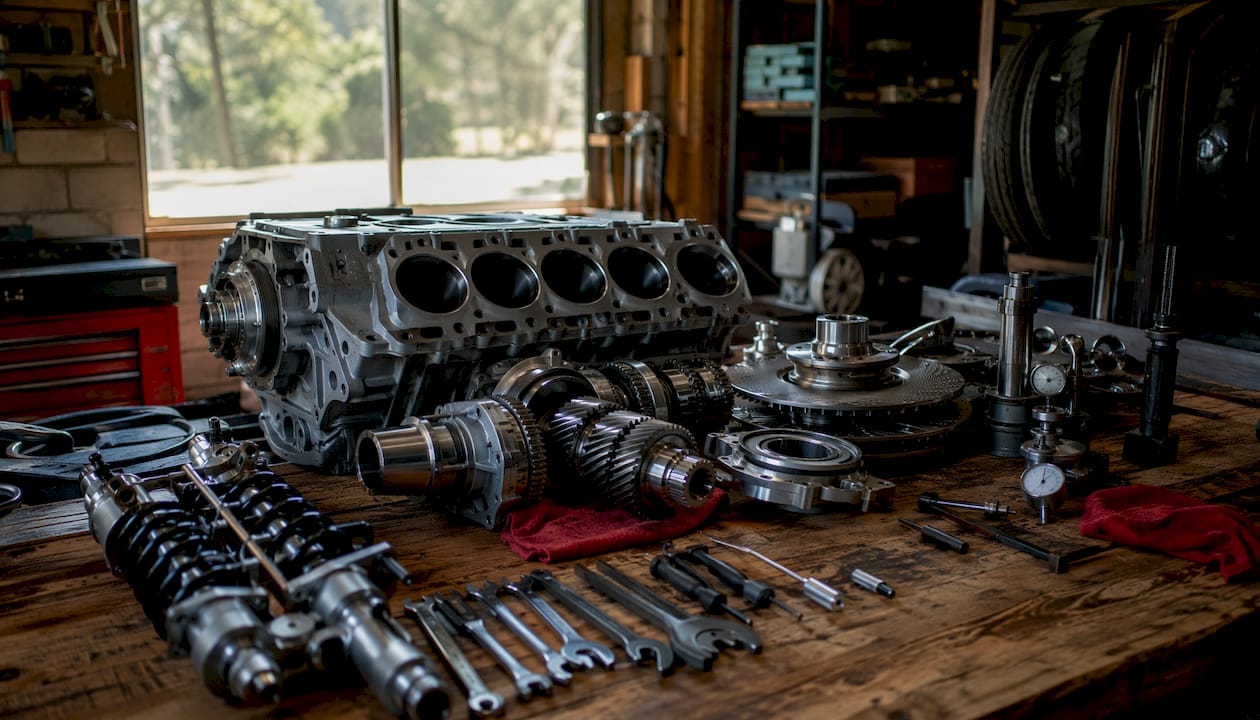
Mechanical components (engines, transmissions, brakes, suspension) are the most available category for popular models. Remanufactured units from reputable suppliers are often a smarter choice than used parts pulled from outdoor storage. A brake caliper that sat in a field for a decade carries internal corrosion risk that no visual inspection will catch.
Body panels and sheet metal vary widely. Reproduction fenders, hoods, and cab corners exist for the 1967–72 C/K and F-Series, but fit quality ranges from excellent to frustrating. Budget time for test-fitting before any bodywork begins.
Interior trim is where restorers feel the pinch. Seat foam, headliners, door panels, and dash pads for pre-1966 trucks are scarce. What exists is often reproduction quality that requires careful evaluation.
Wiring harnesses deserve their own conversation. A complete classic truck wiring harness for a 1969–72 Chevy truck is one of the most requested and hardest-to-source items in the hobby. Aged factory wiring is a fire risk; modern reproduction harnesses built to OEM circuit layouts are the correct solution here, not a patch job.
Chassis parts including frame brackets, crossmembers, and steering components are available for popular models but often require sourcing from specialty suppliers rather than general catalogs.
Vintage truck accessories like mirrors, running boards, and emblems round out a restoration. Emblems in particular are best sourced as NOS when possible, since reproduction castings rarely match original finish quality.
Restoration priority order most experienced builders follow:
- Safety systems first: brakes, steering, fuel lines, electrical
- Structural: frame, cab mounts, floor pans
- Mechanical: engine, transmission, cooling
- Body: panels, glass, trim
- Interior: upholstery, dash, accessories
How do you assess quality and choose reliable sellers for vintage truck parts?
Understanding part classifications is the foundation of smart buying. NOS (New Old Stock) means original factory-produced components that were never installed. NOS parts are ideal for concours restorations but are increasingly rare and often expensive. NORS (New Old Replacement Stock) refers to third-party replacement parts originally produced during the vehicle’s production era, a distinction that affects restoration authenticity and value perception in the collector market. Reproduction parts are newly manufactured to original specifications, and their quality varies enormously between suppliers.
One category where NOS is not the right answer: rubber. Seals, weatherstripping, and gaskets degrade over decades even when they have never been installed. Modern EPDM reproduction parts outperform old NOS rubber in both flexibility and longevity. For original factory trim, emblems, and glass, NOS is worth the premium when you can find it.
Pro Tip: Reproduction parts vary widely in quality and not all offer accurate fit or finish. Before ordering sheet metal or trim reproductions, check marque-specific forums for fitment reports on that exact supplier. A $40 savings on a fender that requires three hours of massaging to fit is not a deal.
Joining marque-specific car clubs gives you access to vetted supplier lists built from real member experience, which cuts through the noise faster than any Google search. These communities also flag counterfeit and substandard parts before they reach your garage.
Ozkonickustomz sources directly from vetted manufacturers, which removes the guesswork on fitment and quality that plagues general online marketplaces. Their team can confirm compatibility before you order, a service most catalog retailers do not offer.
Buyer protection checklist:
- Use secure payment methods like PayPal or a credit card with purchase protection when buying from private sellers
- Request photos of the actual part, including any casting numbers or date codes
- Verify seller reputation through club forums and transaction history before committing to high-value purchases
- Confirm the return policy in writing before payment, especially for body panels and trim
- Check for counterfeit auto parts warning signs: unusually low prices, missing casting numbers, and sellers who cannot answer specific fitment questions
What should you expect when ordering and shipping classic truck parts online?
Ordering accuracy is the first thing to get right. Providing detailed truck information and following up on order confirmations reduces the most common cause of returns: incorrect parts shipped due to incomplete vehicle specs. Before you place any order, have your VIN, build sheet, and the old part in hand.
Hard-to-find parts, particularly for pre-1960 trucks, often carry lead times. Specialty suppliers may need to source from their own network or wait for a reproduction run. Realistic expectations: common mechanical parts for 1967–72 trucks ship within a few days; rare interior trim or body glass for a 1950 F-1 may take weeks or require a backorder.
Warranty and return policies in this niche vary more than in the general auto parts market. Reputable suppliers offer at minimum a 30-day return window for uninstalled parts in original condition. Some carry limited warranties on remanufactured mechanical components. Always read the policy before ordering, not after.
For installation guidance, marque-specific forums and performance parts shopping resources are useful starting points. Many specialty suppliers, including Ozkonickustomz, provide expert assistance to help you confirm fitment and installation approach before the part ships.
Best practices for a smooth transaction:
- Have your complete vehicle specs ready before contacting any supplier
- Confirm part numbers against your factory service manual or a trusted parts database
- Ask about current stock levels on hard-to-find items before paying
- Review shipping carrier options for large or fragile parts like body panels
- Document the part’s condition with photos immediately upon delivery, before installation
Sourcing alternatives beyond specialty retailers are worth knowing. For Alberta-based restorers or those exploring salvage yard alternatives, understanding the full range of sourcing options helps when a specific part is unavailable through primary channels.
Why do customer reviews and brand reputation matter when buying vintage parts?
In a niche where a single wrong part can set a restoration back months, reputation is the only currency that matters. Unlike buying a commodity auto part, purchasing a reproduction door skin or a classic truck wiring harness involves real risk: fitment problems, finish mismatches, and parts that simply do not match factory specifications.
Established suppliers build their reputation over years of consistent fitment accuracy and honest product descriptions. Restorers talk, and the classic truck community has long memories. A supplier who ships a fender that requires significant modification to fit will hear about it on every major forum within weeks.
When evaluating any seller, look for consistent positive feedback specifically about fitment accuracy and part quality, not just shipping speed. A seller who ships fast but sends the wrong part is not a good supplier. Check for responses to negative reviews as well. How a company handles a problem tells you more than a string of five-star ratings.
Ozkonickustomz’s direct-from-manufacturer sourcing model means parts are vetted before they reach inventory, which reduces the fitment surprises that generate negative reviews in the first place. For wiring in particular, where a miswired harness can damage electronics or create a fire hazard, that sourcing standard matters.
Ozkonickustomz has the hard-to-find parts your restoration actually needs
Finding the right supplier for a classic truck restoration is not about who has the longest catalog. It is about who can confirm fitment, stand behind the part, and actually have it in stock when you need it.
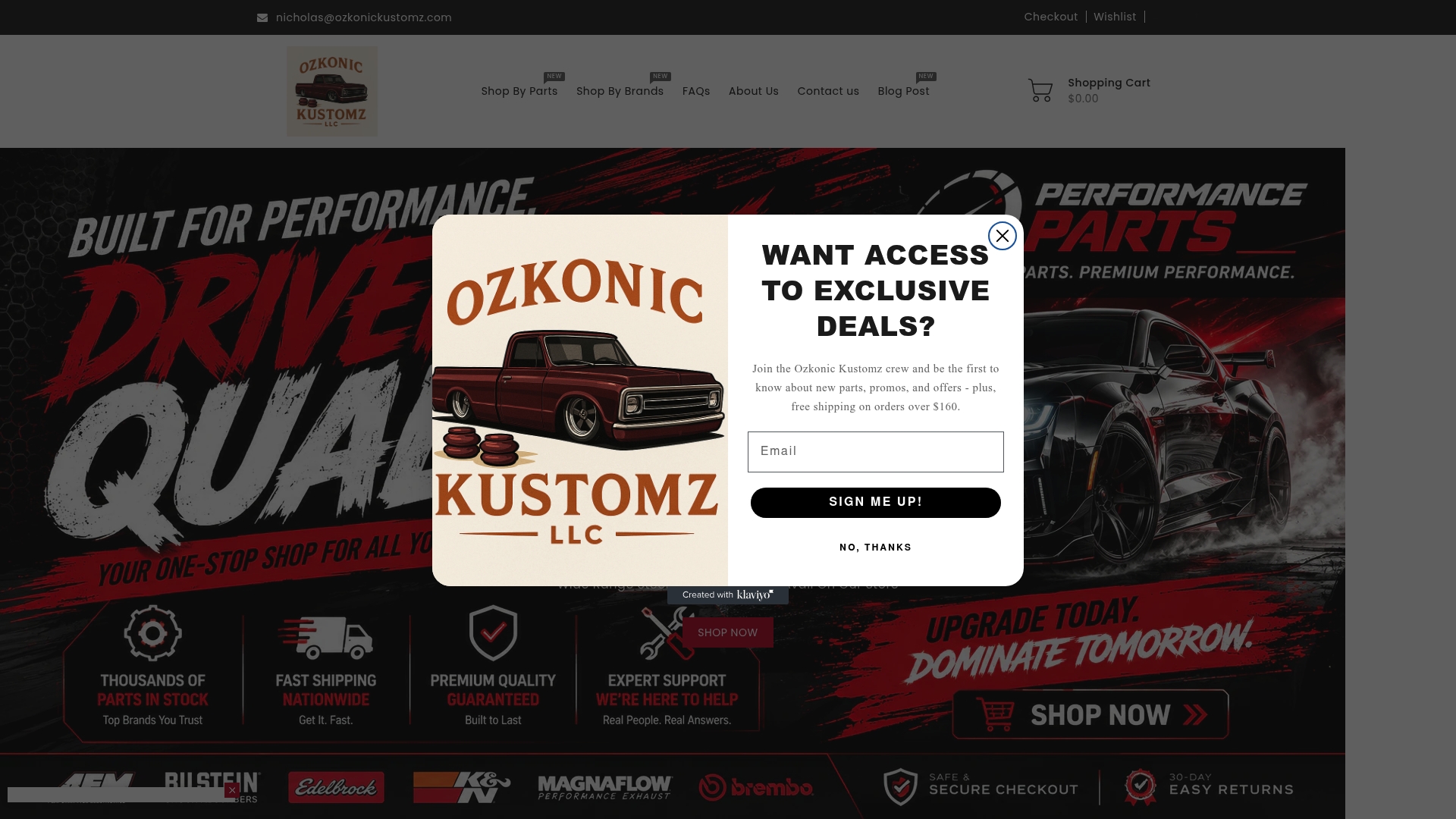
Ozkonickustomz sources directly from vetted manufacturers, which means every component, from a Ford truck chassis harness to a modular wiring kit for your classic Chevy or GMC, meets a real fitment standard before it ships. Fast shipping, straightforward returns, and expert pre-sale support are built into the process. If you are working through a restoration and need a part confirmed before you order, that conversation is available. Browse the catalog at Ozkonickustomz and get the right part the first time.
Key Takeaways
Reliable classic truck restoration depends on matching the right part type to the right application and buying from suppliers who verify fitment before the sale.
| Point | Details |
|---|---|
| Shop by exact specification | Year, make, model, cab style, and engine size all affect fitment — never order by description alone. |
| Match part type to application | Use modern EPDM reproductions for rubber seals; prioritize NOS for emblems and factory trim where authenticity matters. |
| Verify seller reputation | Check marque-specific forums for fitment reports and confirm return policies in writing before any purchase. |
| Wiring is a priority safety item | Aged factory wiring is a fire risk; a properly sourced reproduction harness built to OEM circuit layouts is the correct fix. |
| Ozkonickustomz | Sources directly from vetted manufacturers for classic Chevy, GMC, and Ford trucks, with expert pre-sale fitment support. |
Recommended
- Best Classic Trucks & Upgrade Guide – Ozkonic Kustomz LLC
- American Autowire Wiring Harnesses & Electrical Components – Ozkonic Kustomz LLC
- American Autowire Wiring Harnesses & Electrical Components – Ozkonic Kustomz LLC
- American Autowire Wiring Harnesses & Electrical Components – Ozkonic Kustomz LLC