
Top suspension lift kit alternatives to 88rotorsoffroad.com
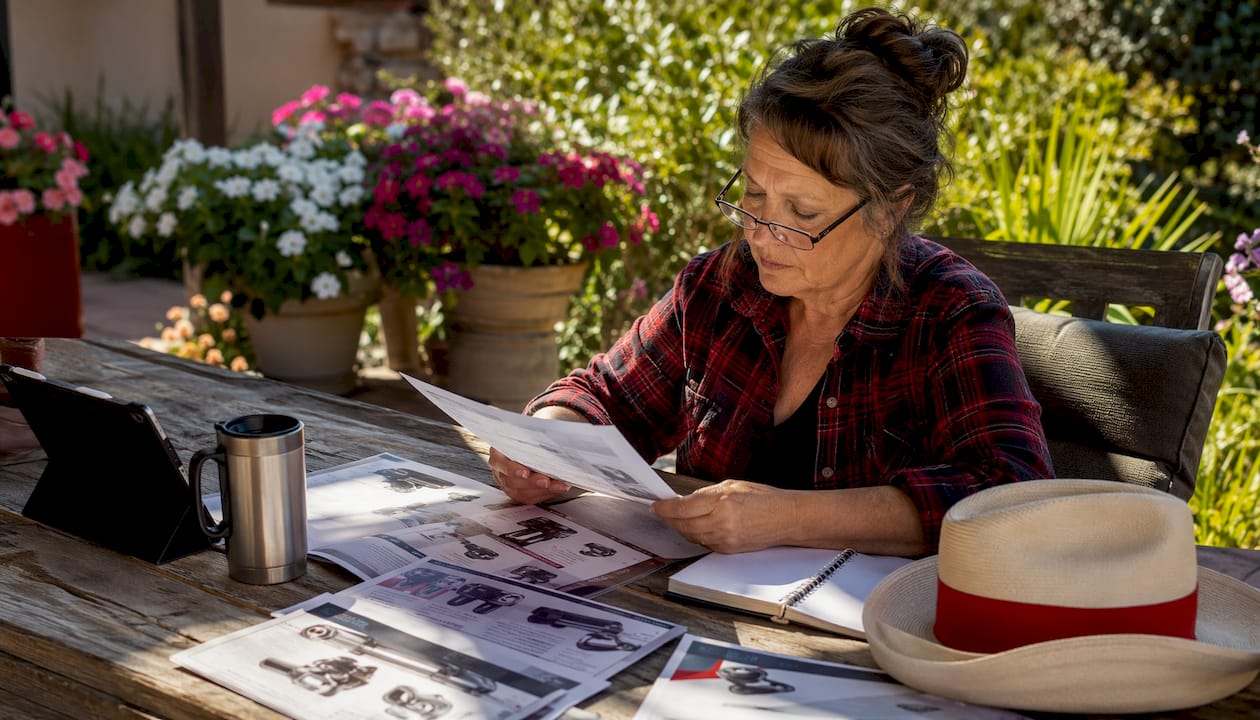
If you’re looking for 88rotorsoffroad.com alternatives, the strongest options come from established US manufacturers and specialized off-road shops with proven track records: BDS Suspension, Zone Offroad, Rough Country, Old Man Emu, KYB, Bilstein, and Eibach. Each brings something different to the table, and knowing what sets them apart saves you from a costly mismatch.
- BDS Suspension — Platform-specific lift kits for trucks and Jeeps, typically backed by a lifetime replacement warranty. BDS engineers kits for Ford, Chevy, Dodge, and Toyota platforms with geometry-corrected components included.
- Zone Offroad — Known for value-driven lift packages ranging from 2" to 6", with strong fitment coverage across popular truck and SUV platforms. A solid pick for budget-conscious builds that don’t sacrifice safety.
- Rough Country — One of the most widely available brands in the US, offering lift kits from 1.5" to 6" across a massive range of vehicles. Pricing tends to run lower than premium competitors, with a lifetime replacement warranty on most kits.
- Old Man Emu (OME) — An ARB brand built around ride quality and load-carrying performance. OME kits are particularly respected for overlanding and daily-driven off-road vehicles where comfort matters as much as clearance.
- KYB — A shock absorber specialist with deep OEM roots. KYB’s Excel-G and Gas-a-Just lines are trusted by technicians for their consistent performance and fitment accuracy across domestic and import platforms.
- Bilstein — German-engineered monotube shocks with a reputation for durability under hard use. The Bilstein 5100 series is a go-to for mild lifts on trucks and SUVs, and the brand’s fitment database is one of the most thorough in the industry.
- Eibach — Springs-focused manufacturer known for precise spring rates and consistent quality control. Eibach’s Pro-Lift-Kit and Pro-Truck Lift systems are popular with enthusiasts who want predictable handling alongside added height.
Specialized off-road shops are often the best source for these brands because they carry deeper system knowledge and can pair kits with custom fabrication when needed.
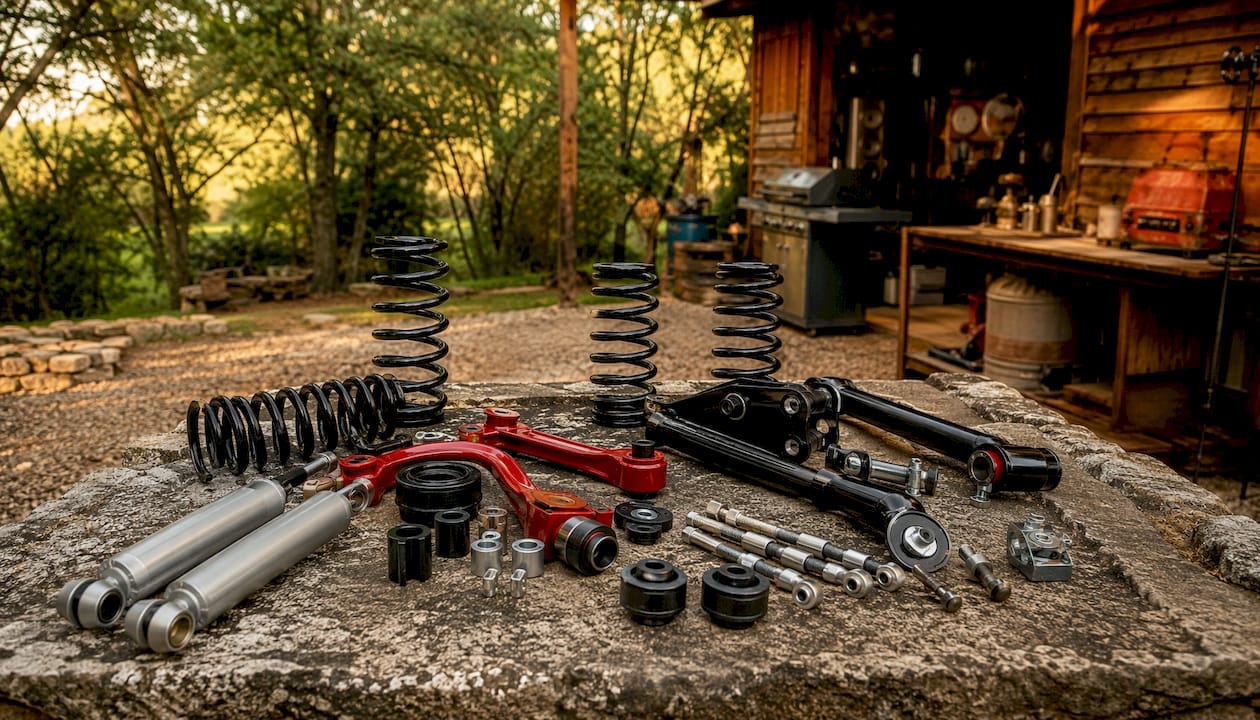
Popular lift packages from these alternative providers
Lift height, warranty terms, and ride character vary considerably across these brands. Here’s how the major packages break down in practice.
| Provider | Typical Lift Range | Warranty | Ride Character | Fitment Specificity |
|---|---|---|---|---|
| BDS Suspension | 2"–6" | Lifetime replacement | Trail-capable, geometry-corrected | High (platform-specific kits) |
| Zone Offroad | 2"–6" | Lifetime replacement | Balanced street/trail | High (model-specific) |
| Rough Country | 1.5"–6" | Lifetime replacement | Budget-friendly, functional | Broad coverage |
| Old Man Emu | 2"–4" | Manufacturer warranty | Comfort-focused, load-rated | High (vehicle-specific tuning) |
| KYB | Leveling to 2" | Limited warranty | OEM-quality ride | Very high (OEM-matched) |
| Bilstein | 1.5"–2" | Manufacturer warranty | Performance-tuned, firm | High (application-specific) |
| Eibach | 1"–3" | Manufacturer warranty | Handling-focused, controlled | High (spring-rate matched) |
BDS Suspension kits stand out for builds that need geometry correction built in. A 4" or 6" lift on a Ford F-250 or Ram 1500 without corrected upper control arms will wear ball joints prematurely and create driveline vibration. BDS addresses this in the box. Their Ford Ranger lift options are a good example of how platform-specific engineering changes the outcome.
Zone Offroad hits the sweet spot for truck owners who want a meaningful lift without the premium price. Their 4" and 6" kits for GM trucks and Jeep Wranglers include everything needed for a complete install, and the lifetime warranty holds up in real-world use.
Rough Country is the most accessible option. You’ll find their kits at major retailers and through online parts suppliers. The trade-off is that some kits require additional geometry components for higher lifts, so read the fitment notes carefully before ordering.
Old Man Emu takes a different approach entirely. Rather than maximizing lift height, OME tunes each kit to the vehicle’s weight and intended use. An overlander running a loaded roof rack and drawer system gets a different spring rate than a stock-weight daily driver. That specificity is rare at this price point.
KYB and Bilstein are the shock specialists of this group. If your suspension already sits at the right height and you need better damping, either brand delivers. The Bilstein 5100 series allows mild height adjustment on the front strut, which makes it popular for leveling trucks without a full lift kit. KYB’s Gas-a-Just line uses monotube construction for consistent fade resistance on rough terrain.
Eibach rounds out the list with spring-focused kits that prioritize handling over raw clearance. Their Pro-Truck Lift system pairs progressive-rate springs with performance shocks for a setup that feels planted on pavement and capable off it.
Key benefits and limitations at a glance:
- BDS: best geometry correction, higher price point
- Zone Offroad: strong value, wide vehicle coverage
- Rough Country: lowest entry cost, may need add-on components for taller lifts
- OME: best ride quality and load-tuning, limited to moderate lift heights
- KYB: OEM-level fitment accuracy, not designed for significant lift
- Bilstein: excellent durability, premium pricing on higher-end lines
- Eibach: handling-first design, not the choice for maximum ground clearance
What to know before installation day
Installation complexity scales directly with lift height and kit type. A spacer lift or leveling kit is genuinely entry-level work. A 4" or 6" suspension lift with adjustable control arms is a different job entirely, and treating it like a simple bolt-on is how builds go wrong.
Professional installation typically takes a few hours for straightforward kits. DIY on the same job can stretch to a full day or longer, especially when seized bolts, corroded bushings, or unfamiliar geometry adjustments enter the picture. Shops have torches, induction heaters, and air-powered tools that handle those problems in minutes.
What to look for in a qualified installer:
- ASE certification is the baseline. It tells you the technician has passed standardized testing, but it doesn’t guarantee lift-specific experience. Ask specifically how many lifts they install per month.
- Platform experience matters more than general mechanical skill. A shop that works on Jeep Wranglers daily knows the caster correction quirks that a general repair shop will miss.
- Request an itemized written quote that separates parts, labor hours, alignment, and any follow-up services. A flat-rate quote for any lift kit is a red flag. A spacer lift and a long-arm kit are not the same job.
- Community forums and off-road clubs are the most reliable source for shop recommendations. Ask in vehicle-specific forums where members share firsthand experience with local installers.
Four-wheel alignment after installation is not optional. Lifting a vehicle changes caster, camber, and toe angles. Skipping alignment after a lift accelerates tire wear and creates handling problems that get worse over time.
Adjustable upper control arms are often necessary for lifts above 3" to correct suspension geometry and prevent driveline issues. A shop that installs a tall lift without addressing geometry correction components is leaving a problem in your vehicle.
Pro Tip: Schedule a follow-up appointment after your lift installation. Suspension components settle under load as bushings compress and fasteners find their final position. A retorque check at that point catches anything that has shifted, and a quick ride height verification confirms the kit is sitting where it should.
Why quality parts and trusted providers protect your investment
Cheap suspension components fail in predictable ways. Springs lose rate, shocks blow seals, and hardware corrodes. The failure modes aren’t dramatic at first. You notice it as vague steering, a shimmy at highway speed, or a ride that feels progressively worse. By the time the problem is obvious, the wear has already spread to adjacent components.
Verified fitment guarantees matter because suspension geometry is precise. A kit engineered for a 2019 Ram 1500 with the factory air suspension delete is not the same as one for the standard coil setup. Brands like BDS, Bilstein, and Eibach maintain detailed application databases and test fitment before kits ship. That work shows up in how the vehicle handles after installation.
Lifetime replacement warranties from brands like BDS Suspension, Zone Offroad, and Rough Country signal confidence in the product. They also protect you from eating the cost of a premature failure. Read the warranty terms carefully. Most cover manufacturing defects, not damage from abuse or improper installation.
Trust signals worth verifying before you buy:
- Manufacturer fitment guarantee for your specific year, make, model, and trim
- Lifetime or long-term replacement warranty on structural components
- Community endorsements in vehicle-specific forums and off-road clubs
- Installer certifications and documented experience with your platform
- Post-installation support including alignment and follow-up torque checks
Not all mechanics are qualified for suspension lifts. A shop that handles oil changes and brake jobs may not have the geometry knowledge or specialized tools a lift requires. Prioritize shops that display custom builds and show specific platform experience. The difference between a qualified installer and a generalist shows up in how the vehicle drives for the next 50,000 miles.
Quality suspension work also protects resale value. A lifted truck with documented professional installation, correct alignment records, and name-brand components commands more on the used market than one with unknown parts and no paperwork. Buyers and dealers both notice.
How to choose the right suspension lift kit provider for your vehicle
Start with your vehicle’s specific platform and intended use. A daily driver that sees occasional dirt roads needs a different setup than a dedicated trail rig. Matching lift height and spring rate to actual use prevents the common mistake of over-building a vehicle that then rides poorly on pavement.
Step-by-step selection criteria:
- Verify ASE certification and platform experience. Ask the shop directly how many lifts they’ve done on your specific vehicle. A Tacoma specialist and a Wrangler specialist are not interchangeable.
- Get itemized written quotes from at least two shops. Compare parts brands, labor hours, alignment inclusion, and follow-up service. Price differences often trace back to parts quality, not labor efficiency.
- Check customer reviews on Google and Yelp, then cross-reference in forums. Off-road community forums give you unfiltered feedback that review platforms sometimes don’t. Vehicle-specific communities on Reddit and dedicated forums are particularly useful.
- Match lift height to your tire size goals. Lift kits exist to create clearance for larger tires. Know your target tire size first, then work backward to the lift height you need. Going taller than necessary adds cost and complexity without benefit.
- Prioritize local providers for ongoing support. A shop nearby is easier to return to for alignment checks, follow-up torque inspections, and warranty claims. Remote purchasing saves money upfront but creates friction when something needs attention.
- Decide honestly between DIY and professional installation. If you’re comfortable with suspension work and have a proper workspace with jack stands, a spacer or leveling kit is manageable. Anything involving adjustable control arms, driveshaft modifications, or geometry correction belongs in a shop.
For sourcing quality parts before or alongside your installation, Ozkonickustomz carries vetted aftermarket components with guaranteed fitment and direct manufacturer sourcing. Their performance parts guide covers how to evaluate parts quality and avoid the fitment issues that plague generic online retailers.
Why Ozkonickustomz belongs in your parts sourcing plan
Ozkonickustomz sources directly from vetted manufacturers, which eliminates the counterfeit and fitment problems that show up regularly with generic online retailers. Every component goes through quality and compatibility checks before it ships. For truck owners and off-road builders who’ve wasted time and money on parts that didn’t fit or failed early, that sourcing model is a real difference.
The catalog covers hard-to-find aftermarket parts with guaranteed compatibility, fast shipping, and a straightforward return policy. If you’re building out a suspension upgrade and need supporting hardware, electrical components, or exterior accessories to go with it, Ozkonickustomz has the automotive hardware and accessory inventory to keep your build moving without the guesswork.
Key Takeaways
The best suspension lift kit alternatives to 88rotorsoffroad.com come from established US manufacturers like BDS Suspension, Bilstein, and Eibach, paired with qualified installers who have documented platform-specific experience.
| Point | Details |
|---|---|
| Top alternative brands | BDS Suspension, Zone Offroad, Rough Country, Old Man Emu, KYB, Bilstein, and Eibach cover the full range of lift needs. |
| Warranty matters | Lifetime replacement warranties from BDS, Zone Offroad, and Rough Country protect against premature component failure. |
| Installer qualifications | ASE certification is the baseline; platform-specific experience and itemized quotes separate qualified shops from generalists. |
| Post-installation steps | A follow-up retorque check and four-wheel alignment after installation protect ride quality and tire life. |
| Parts sourcing | Verified fitment guarantees and direct manufacturer sourcing reduce the risk of incompatible or counterfeit components. |
