
Installed lift kit prices run from roughly $300 to $900 for a spacer or leveling kit, $800 to $3,500 for a mid-range 2.5 to 3.5-inch suspension lift, and $2,500 to $8,000 or more for a full 4-inch-plus long-arm build, similar to how lift height drives cost in other vehicle types like golf carts as explained in this Club Car Golf Cart Lift Kit Guide. Three things swing your final number: the lift type and height you pick, the labor complexity and shop rate, and the add-ons (tires, alignment, driveshaft or regear work) your rig actually needs. Vehicle make, 2WD versus 4WD, and rust or age can shift any quote in either direction.
TL;DR:
- Lift kit costs vary widely, from $60 for basic spacers to over $8,000 for full long-arm systems, depending on lift height and components.
- Labor for installation ranges from a few hours for simple kits to several days for complex long-arm or fabricated systems, significantly influencing total price.
- Additional expenses include alignment, tire and wheel replacement, driveshaft modifications, and regearing, especially on larger lifts with bigger tires.
- Proper sourcing from vetted manufacturers reduces the risk of fitment issues, which can cause costly delays and rework.
- Owners should get detailed, written shop quotes covering parts, labor, and supplementary costs to prevent unexpected expenses.
Table of Contents
- How Much Does a Lift Kit Cost by Type?
- What Does It Cost to Install a Lift Kit?
- What Hidden Costs Come With a Lift Kit Install?
- Should You DIY or Hire a Shop for Your Lift?
- Why Fitment and Sourcing Change Your Total Cost
- What Veteran Installers Wish Owners Knew Upfront
- Ready to Price Out Your Own Lift?
- Sources
How Much Does a Lift Kit Cost by Type?
Kit-only pricing is where most people start budgeting, and it varies more than the labor line does. Here is how the main categories break down before a wrench ever touches your truck.
Leveling and spacer kits correct the factory rake, the slight nose-down stance most trucks ship with, rather than adding real ground clearance. Parts alone run $60 to $400 depending on brand and whether you’re getting simple strut spacers or a more refined coil spacer setup. These typically max out at a 1 to 1.5 inch lift and support up to a 33 inch tire on most half-tons.
Body lifts raise the cab and bed off the frame using pucks and extended hardware, leaving the suspension untouched. Expect a moderate range of prices for parts, with the higher end covering bumper brackets, extended shocks, and steering corrections needed on a 3 inch body lift.
Suspension lifts actually change ride geometry and off-road capability, and they scale in price with height:
- 1 to 2 inches: $200 to $800 in parts, often just springs or a coilover adjustment
- 2 to 3 inches: $500 to $1,800, usually adding new shocks and sometimes a track bar
- 3 to 4 inches: $1,200 to $3,000, typically requiring control arms and geometry-correcting brackets
- 4 inches and up: $2,000 to $5,000+, moving into long-arm or coilover conversion territory
Most 3 inch kits comfortably clear a 35 inch tire; anything past 4 inches usually needs a 37 inch tire to look proportional, which pulls tire cost into the equation fast.
What Does It Cost to Install a Lift Kit?
Labor is where quotes diverge the most, even for the same kit, because shop rates and job complexity vary so much across the country.
- Spacer or leveling kit: 2 to 3 hours of labor. A professional installed total lands around $340 to $850, kit plus labor plus alignment.
- 2.5 inch spring-and-shock kit: 4 to 6 hours. General repair shops charge $80 to $130 an hour, while off-road specialty shops often run $100 to $175 an hour, and that gap alone can swing a bill by a few hundred dollars.
- 3.5 to 4 inch kit with control arms: 8 to 14 hours, since geometry corrections and driveline angle checks take real time. Fully installed, these mid-range builds commonly land between $2,000 and $4,500.
- Long-arm or 4 inch-plus systems: often a multi-day job once you factor fabrication, alignment, and driveline work, pushing installed totals toward a higher price range depending on parts quality and truck architecture.
A useful way to picture total cost: lift kit parts generally run $300 to $3,000, labor $350 to $2,500, and alignment $60 to $260, so stacking those ranges against your target lift height gets you a realistic ballpark before you ever call a shop.
What Hidden Costs Come With a Lift Kit Install?
The kit price and labor quote rarely cover everything. These are the line items that tend to show up after the fact and catch owners off guard.
- Alignment and sensor recalibration: budget $80 to $150 for a proper post-lift alignment, and factor in extra time if your truck has lane-keep or radar sensors that need recalibrating.
- Tires and wheels: a new tire set commonly runs $200 to $1,800, plus mounting and balancing fees per tire.
- Brake-line extensions and driveshaft work: expect roughly $250 to $600 for driveshaft modifications, with brake-line kits often bundled into the suspension kit itself on 3 inch-plus lifts.
- Regearing: required on many 4 inch-plus builds running larger tires, and it typically adds $1,200 to $2,000 per axle.
Statistic to know: larger, heavier tires paired with a taller lift routinely cost several miles per gallon in fuel economy, and skipping a regear on an aggressively lifted truck only makes that worse by forcing the engine to work harder at the same RPM.
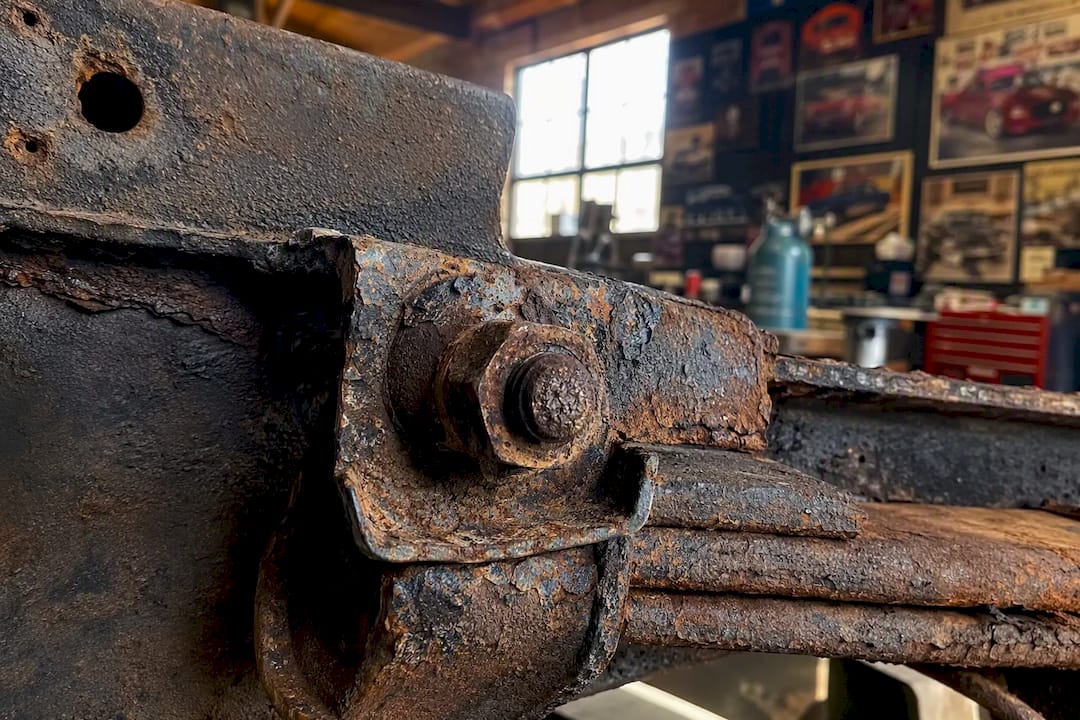
Rust-prone trucks also tend to run over their labor estimate. Seized bolts and corroded hardware add hours a shop couldn’t have quoted upfront, so an older Rust Belt truck should carry extra contingency in its budget.
Should You DIY or Hire a Shop for Your Lift?
A spacer kit or a basic spring swap is realistic weekend DIY work if you’ve got a jack, stands, and a torque wrench. Owners who install these themselves mainly save on labor, though they still need to pay for a proper alignment afterward. Long-arm kits, anything involving welding, or geometry corrections on a solid-axle heavy-duty truck belong with a professional shop that has an alignment rack and experience with your platform.
Before you commit to a shop, get these answered in writing:
- What’s the exact parts list and brand for each component?
- How many labor hours are quoted, and at what hourly rate?
- Is alignment included, or billed separately?
- Does the truck need sensor recalibration, and is that in the quote?
- What warranty covers parts versus labor?
- Will they provide tear-down photos if something unexpected turns up?
Watch for vague scope language, alignment quietly excluded, no mention of brake or driveline work on a bigger lift, or no written warranty at all. Those are the quotes that balloon halfway through the job.
Pro Tip: Ask for part numbers and labor hours on every quote you collect. Two shops quoting “a 3 inch lift” can mean completely different hardware, and part numbers let you compare them like for like instead of guessing.
Why Fitment and Sourcing Change Your Total Cost
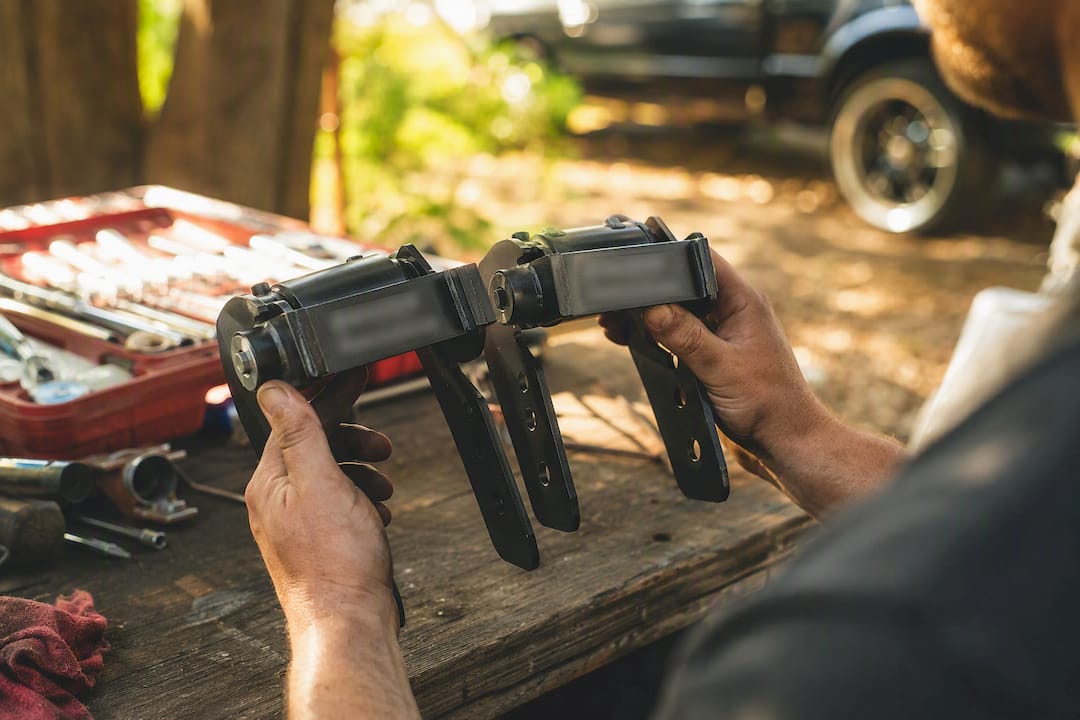
A mismatched or counterfeit component doesn’t just fail. It costs you a second round of labor once a shop has to pull it back out. Ozkonickustomz sources lift-related parts directly from vetted manufacturers, which cuts the odds of a fitment mismatch that turns into a comeback bill.
That matters because most “hidden” lift costs aren’t hidden at all. They’re the result of a shop discovering a bracket doesn’t clear a factory crossmember, or a coil spring rate that’s wrong for a heavier trim.
- Direct manufacturer sourcing reduces counterfeit and incorrect-fitment risk before parts reach your shop.
- Model-specific fitment guidance, like the Ford Ranger lift kit buyer’s guide, shortens install time by giving your installer the right torque specs and hardware list upfront.
- Support staff who know part compatibility can flag issues before checkout, not after your truck is already on the lift.
What Veteran Installers Wish Owners Knew Upfront
The biggest mistake we see isn’t picking the wrong lift height. It’s underestimating the ride and handling trade-off that comes with going bigger, then discovering it after the check clears. A 4 inch lift on 37s looks great and eats more fuel, wears steering components faster, and demands a regear most owners didn’t budget for.
Planning tires, wheels, and alignment into the original quote is always cheaper than bolting them on six months later as a second project. Get every shop to hand you an itemized, written quote before you approve anything. It’s the one habit that separates owners who stay on budget from the ones who don’t.
— Ozkonic Kustomz
Ready to Price Out Your Own Lift?
Big-box parts stores sell you a box and wish you luck. Ozkonickustomz backs every lift-related part with fitment guidance built for your exact make and model, so the quote you take to a shop reflects real hardware, not guesswork on a compatibility chart.
Start by browsing lift-related components like the LoadLifter 7500 XL air spring kit or reviewing a model-specific guide such as the Silverado suspension upgrade guide to build a parts list before you ever call a shop. Fast shipping and a straightforward return policy mean a sizing mistake doesn’t turn into a stalled project. Head to Ozkonickustomz to pull your parts list together and get fitment questions answered before you request that first quote.
Sources
- Lift Kit Installation Cost 2026 | DIY vs Professional Pricing
- How Much Does It Cost to Lift a Truck? (Lift Pro Customs)
- Cost of Raising a Truck: Price Guide 2026 – Cost Insider